The honest answer is yes. Amboseli without a clear Kilimanjaro view is still one of the stronger parks in Kenya for elephant watching, open-country wildlife, and birdlife. The mountain is the famous bonus. It is not the only reason the park works.
That said, the question is worth taking seriously rather than dismissing. Kilimanjaro is a genuinely significant part of what makes Amboseli feel different from other parks. When it shows, the place can look almost impossibly cinematic. When it hides, the experience changes. The question is whether that change makes the safari not worth doing, or simply different.
This guide gives you an honest account of both sides.
What Kilimanjaro Actually Adds
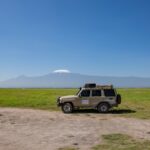
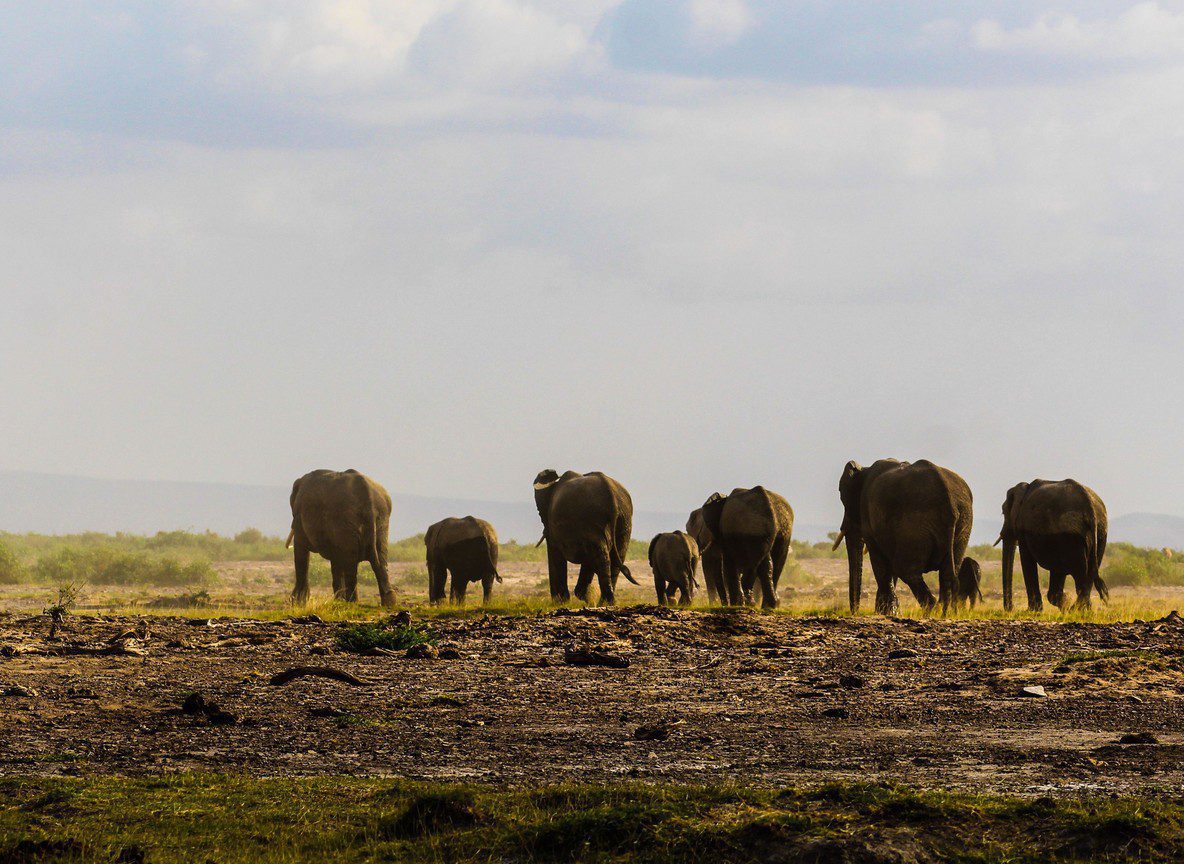
The mountain gives Amboseli a visual quality that no other park in East Africa replicates. A large elephant family moving across open plain with Kilimanjaro rising clear behind them is one of the defining images of African safari photography. That image has real power. No serious guide should pretend otherwise.
When Kilimanjaro is clear, Amboseli feels like a place where nature and geography have arranged themselves particularly well. The scale is unusual. The relationship between the low, flat savannah and the snow-capped summit 5,895 metres above sea level produces a visual contrast that photographs cannot fully prepare you for.
So yes, the mountain matters. The question is what remains when it is not there.
What the Park Still Delivers Without the Mountain
Even on a fully clouded morning, Amboseli still offers:
- Elephant viewing that is consistently among the strongest in Kenya
- Open habitat that makes wildlife easy to follow and read
- A wetland system fed by underground water from Kilimanjaro that draws animals year-round
- Birding depth that many guests underestimate on first visit
- Dramatic cloud formations and moody skies that produce their own photographic interest
The point travellers frequently miss is this: the mountain is the most famous part of the composition. The animals are the experience itself. Kilimanjaro does not improve how an elephant behaves, how close a family group approaches, or how well you can read the social dynamics of a large herd. The wildlife experience remains what it is regardless of what the sky is doing behind it.
Elephants Remain the Strongest Argument for the Park
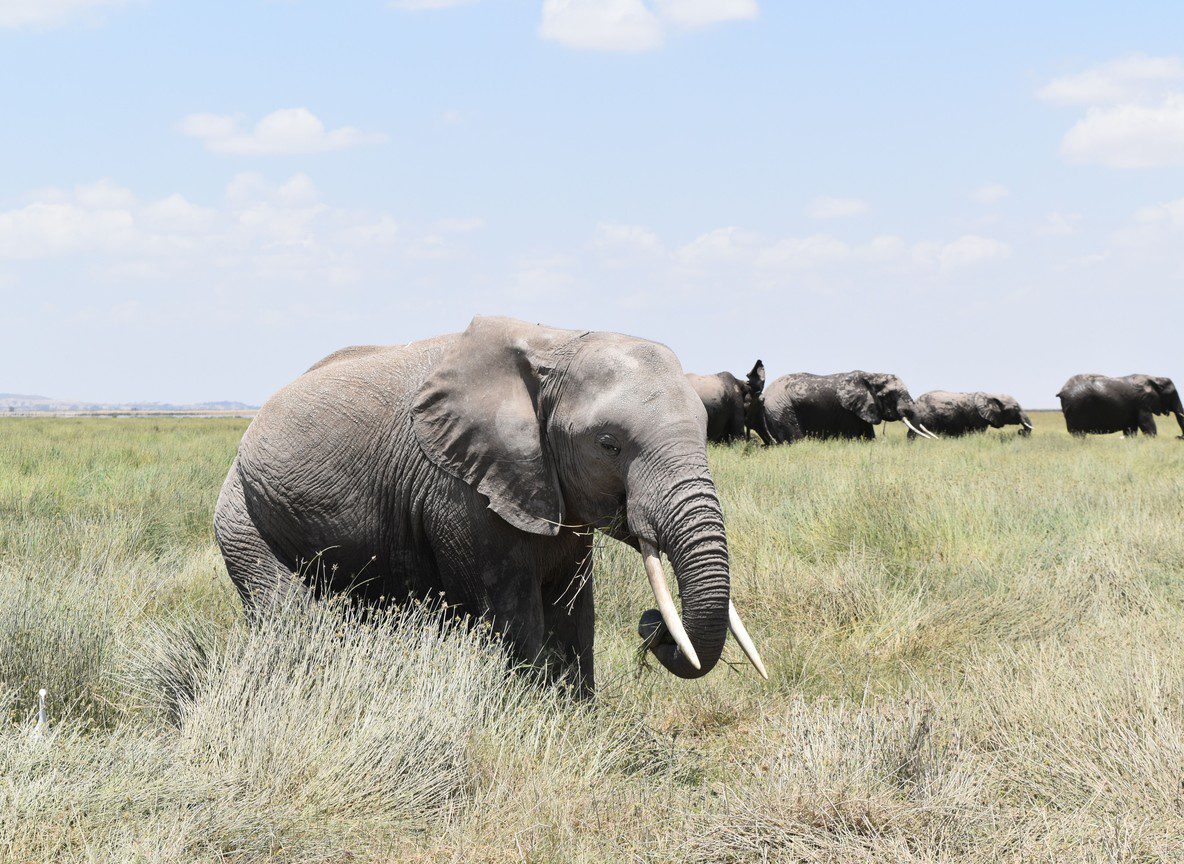
Amboseli’s elephant population has been studied continuously for over fifty years. The Amboseli Elephant Research Project, founded by Cynthia Moss in 1972, has documented individual animals across multiple generations. The result is a population where some guides can identify bulls by name and movement history.
The practical benefit to a visitor is a more complete wildlife experience than a typical park stay provides. When your guide knows which family is which, where their usual routes run, and which bulls have been active in which zones, you stop just watching elephants and start understanding what you are looking at.
That depth of experience does not change because Kilimanjaro is hidden. The swamp systems still draw large herds through reliable corridors. Family groups still cluster at the water edges in predictable rhythms. The old bulls still move through on their own schedule.
A clouded mountain does not make elephants less impressive.
The Wetland System and What It Produces
Amboseli’s swamps are fed by underground water seeping from Kilimanjaro’s snowpack. The Enkongo Narok and Longinye swamps sit in the park’s centre and remain productive through dry seasons when the surrounding savannah becomes sparse and dusty.
These wetland areas draw concentrations of large mammals precisely because water is reliable. Elephants wade in. Buffalo graze the edges. Hippos occupy the deeper channels. Wading birds work the shallows.
For a visitor on a cloudy day, the swamp systems often become more visually interesting than the open plains. The contrast between the green water channels, the grey sky, and the dark shapes of animals in the water produces photography that can be more atmospheric than the standard dry-season sunlit shots. It is a different kind of image. Many photographers who visit specifically in the wet season for this quality of light.
Birding Value That Gets Underestimated
Amboseli’s bird list runs to over 400 species. The wetland zones hold the most interesting populations, and they operate independently of mountain visibility.
Species that draw serious birders to Amboseli:
- African fish eagle
- Goliath heron and purple heron in the swamp edges
- Jacana on floating vegetation
- Sacred ibis and yellow-billed stork in mixed wading flocks
- Pallid harrier and several other raptors on the open plains
- Crowned crane in the grassland areas
For a guest whose interest extends beyond big mammals, a cloudy Amboseli morning spent at Enkongo Narok with a knowledgeable guide is a genuinely rich wildlife experience. The mountain’s absence from the background is irrelevant when you are watching a goliath heron fish from two metres away.
Does Cloud Cover Improve Anything?
Sometimes, yes.
Direct midday sun is the most difficult light for wildlife photography. Flat cloud cover turns that same scene into a soft-box, removing harsh shadows and bringing out colour and detail in fur, feathers, and hide.
What cloud can improve in Amboseli:
- Soft elephant portrait photography, where overcast light removes the blown-out highlights that direct sun creates
- Atmospheric wetland scenes with moody sky reflections in the water
- Longer productive morning shooting windows without the hard light cutoff that a clear sunrise produces
- A kind of stillness and colour saturation in the grass and vegetation that dry-season harsh light flattens
The iconic mountain-and-elephant composition does not work in cloud. But a different set of images becomes available, and they are not lesser images. They are simply different ones.
When a Hidden Mountain Matters More
There are situations where Kilimanjaro’s absence genuinely compromises a trip. It is worth being specific about when that is.
It matters more if:
- You are a photographer with a very specific brief that centres on the mountain-and-wildlife composition
- You have only one night in the park, which gives you a single dawn attempt
- The whole emotional architecture of your trip was built around one particular image
- You arrived expecting guarantees and the weather has not cooperated
In these cases, the concern is real and not something to dismiss. The practical solutions are usually: stay longer to get more dawns, travel in a season with stronger odds of clear mornings, or build the trip around the wildlife experience rather than the photograph.
When a Hidden Mountain Matters Less
It matters much less if:
- Your primary interest is elephant behaviour and family dynamics
- The safari is structured around general wildlife rather than a specific photographic goal
- You have two or more nights, giving multiple morning chances
- Birdlife and wetland ecology interest you alongside the big mammals
The reality for most visitors is that the mountain is hidden on some mornings and clear on others, even during the peak dry season. A two or three night stay almost always produces at least one usable dawn. A single night is genuinely risky for mountain views.
The Honest Comparison Table
| Question | Answer |
|---|---|
| Does a clear Kilimanjaro improve Amboseli? | Yes, significantly |
| Does the park depend entirely on mountain views? | No |
| Are elephants still worth the trip on cloudy days? | Yes |
| Is birding still strong without a clear mountain? | Yes |
| Does a 2-night stay give reasonable mountain chances? | Usually yes |
| Is a 1-night stay risky for mountain views? | Yes |
| Can cloud produce good wildlife photography? | Yes, different images |
Planning Around Mountain Visibility
If seeing Kilimanjaro clearly is important to you, the variables that affect your odds are:
Season: June through October is the dry season and generally gives the clearest mornings. The mountain is most likely to be visible between 6am and 8am. By mid-morning, cloud builds from the east and the summit disappears most days regardless of overall weather patterns.
Time of day: Dawn is the window. There is no reliable Kilimanjaro view at 11am regardless of season. This is why early starts matter more in Amboseli than in most other parks.
Trip length: Two nights gives you four dawn attempts across two mornings. One night gives you one. The probability of seeing the mountain clearly on at least one of those mornings is substantially higher with two nights than one.
Timing within the season: October and February-March tend to produce particularly clear conditions in Amboseli. November through April brings higher moisture levels and more cloud.
What to Do If the Mountain Is Hidden on Day One
Do not adjust the safari structure. Keep the early starts, maintain the drive quality, and let the guide focus on wildlife while leaving the horizon available for checking.
Amboseli mornings change quickly. A mountain that was fully hidden at 6am can clear partially by 7am and be gone again by 8am. Staying alert to those shifts is part of what makes early starts worthwhile, even when the initial view is disappointing.
If the mountain does not appear across a full two-night stay, you will still have driven the swamp circuits, watched the elephant herds, identified wetland birds, and sat in a vehicle while the African dawn came up around you. That experience has value that is not contingent on what the southern horizon is doing.
Is Amboseli Still Worth It? A Direct Answer
For the majority of visitors, yes. The elephant experience alone justifies a well-planned Amboseli trip. The wetland system adds depth. The birding adds richness. The open terrain makes everything easy to see and follow.
The mountain is the part of Amboseli’s reputation that travels best in photographs and promotional material. The experience of being in the park is broader than that one element. Visitors who arrive knowing this leave satisfied. Visitors who arrive expecting a guaranteed mountain shot and no rain leave disappointed, and the disappointment is about expectations rather than the park.
Plan for the mountain as a welcome bonus. Plan around the elephants and the ecosystem as the core experience. The safari will deliver.
Practical Planning Notes
Entry and current park fees: Kenya Wildlife Service.
For detailed seasonal planning advice, lodge comparisons across price tiers, and information on combining Amboseli with other Kenya parks, visit trunktrailssafaris.com.
Camps with clear Kilimanjaro sightlines from the property itself (as opposed to sightlines only available from within the park) include Tortilis Camp and Porini Amboseli Camp. If the view from your bed matters to you, this is worth confirming at the booking stage rather than assuming all properties have equal mountain sightlines.
Have questions about this itinerary or destination? Get answers from a safari specialist before you commit.
Inquire More